
In this digital era, search engine optimization plays a crucial role in determining the success of your website. From boosting organic traffic to increasing visibility on search engine result pages (SERPs), implementing effective SEO strategies can make or break your online presence. But here’s the catch – even with good intentions, it’s easy to stumble upon common SEO mistakes that can hinder your progress and leave you scratching your head. Whether you’re a seasoned marketer or just starting, you must be aware of these pitfalls and avoid falling into them. Of course, you can always hire experts like Mukul Kandhari if you have the budget. But if you don’t, we’ll explore some of the most common SEO blunders many website owners unknowingly commit.
Keyword Stuffing

Keywords are undoubtedly an essential component of SEO. They help search engines understand the relevance and context of your content, ultimately driving targeted traffic to your website. However, when it comes to keywords, there’s a fine line between optimization and over-optimization. This is where keyword stuffing becomes a prevalent issue. In the early days of SEO, keyword stuffing was considered a valid strategy. Webmasters would cram their content with excessive keywords to boost their rankings on search engine results pages (SERPs). But times have changed, and search engines have become smarter.
Duplicate Content
One of website owners’ most common SEO mistakes is having duplicate content. Duplicate content refers to blocks of text or entire web pages that are identical or very similar. This can occur within a single website or across multiple websites. Having duplicate content can harm your SEO efforts because search engines like Google prefer unique and original content. When multiple versions of the same content exist, search engines need help determining which version is the most relevant and valuable for users. Not only does duplicate content need to be clarified for search engines, but it also leads to poor user experience. Imagine searching for information online and coming across several pages with almost identical content – it would be frustrating and time-consuming.
Poorly Optimized Title Tags and Meta Descriptions
When optimizing your website for search engines, one crucial element that often gets overlooked is the title tags and meta descriptions. These small snippets of text significantly determine how your website appears in search engine results pages (SERPs). Let’s talk about title tags. Poorly optimized title tags can hurt your SEO efforts. You’re missing out on potential traffic if you don’t include relevant keywords or fail to create compelling titles that entice users to click through. Additionally, meta descriptions are another vital aspect of on-page optimization. They briefly summarise what users can expect when they visit your webpage.
Neglecting Page Speed
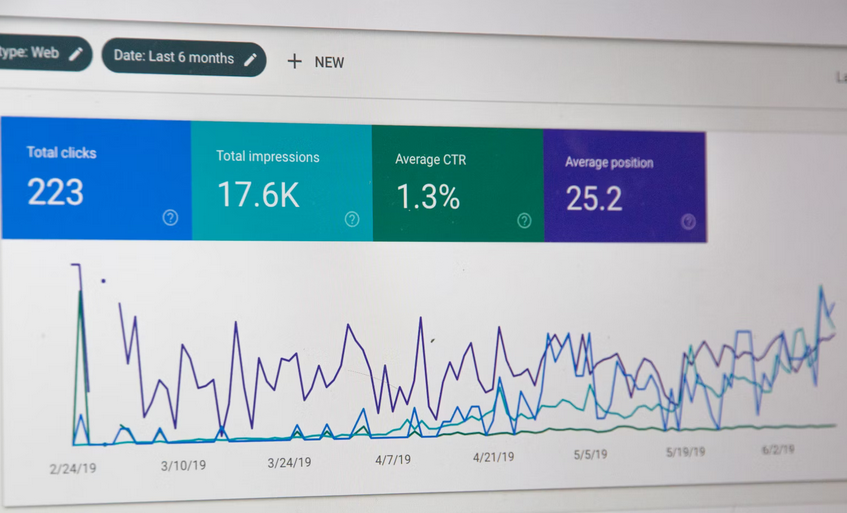
Page speed is a crucial factor in determining the success of your website. In today’s fast-paced digital world, users have become increasingly impatient. If your website takes too long to load, they will move on to another site that offers a faster and more seamless user experience. A slow-loading website not only frustrates users but also hurts search engine rankings. Search engines like Google consider page speed when ranking sites in search results. So, if you neglect page speed optimization, you could miss out on valuable organic traffic. There are several reasons why your website might need to catch up in terms of page speed. It could be due to heavy image files, poorly optimized code, or excessive use of plugins and scripts.
Remember that SEO is not a one-time task but an ongoing process. It requires consistent effort and adaptation to keep up with search engine algorithms. Regularly audit your website for any potential errors or areas for improvement. By being mindful of these common SEO mistakes and taking proactive steps towards optimization, you can increase organic traffic to your website and improve its overall visibility online. Keep learning, experimenting with new techniques, and staying informed about the latest trends in the industry.